I · About
Why any of this exists
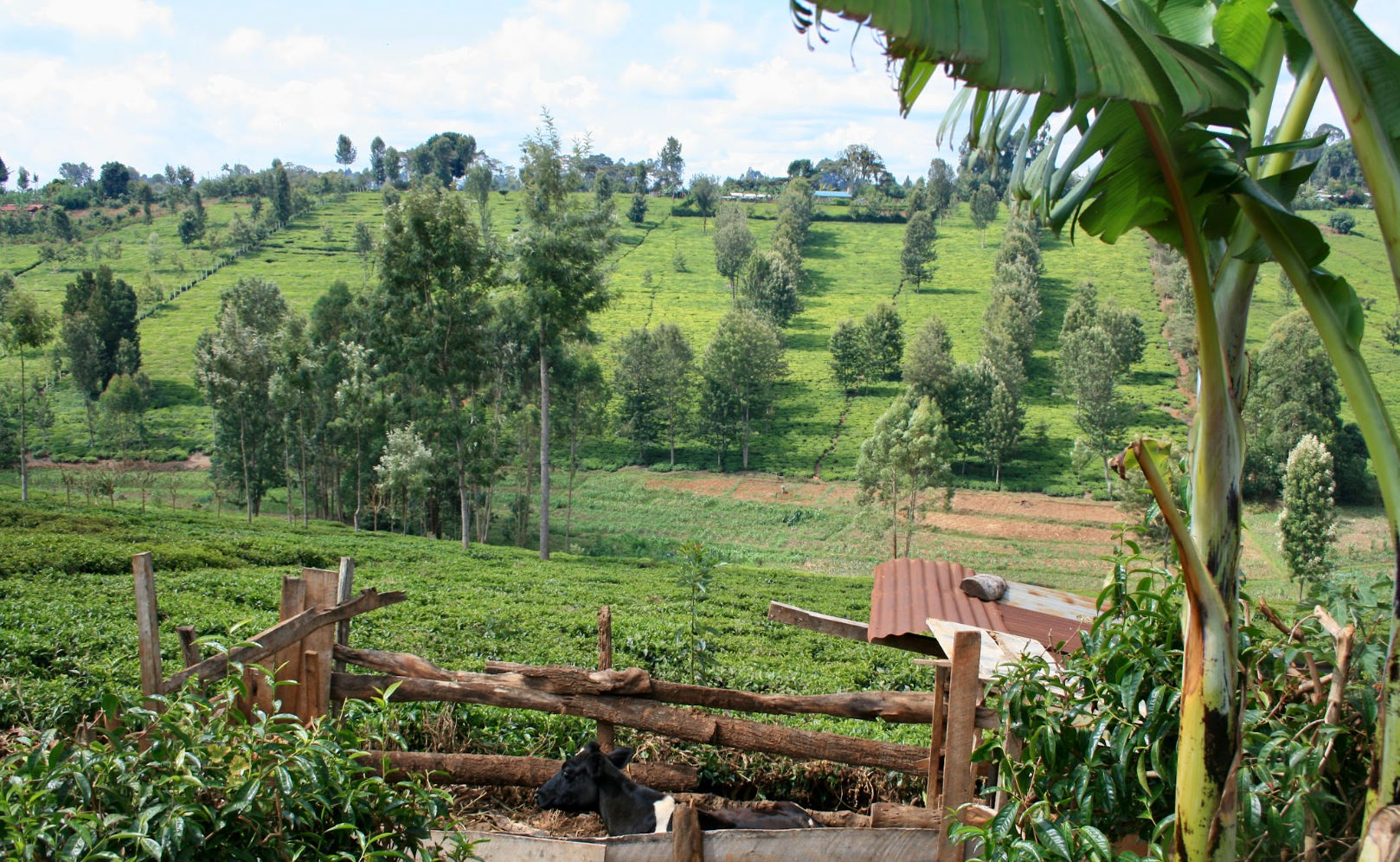
Soko Harvest is an argument made in soil: that a small piece of degraded Kajiado land can be more productive, more beautiful and more profitable than it was — and that this is repeatable.
- Holding
- 2.17 acres
- Location
- Isinya, Kajiado
- Method
- Regenerative
- Open to
- Visitors & growers
Most of the land around here has been asked to give without being given anything back. We started from the same ground, and the whole point is that we did not start from better.
Four things we believe, plainly
- 01
Small is not a compromise
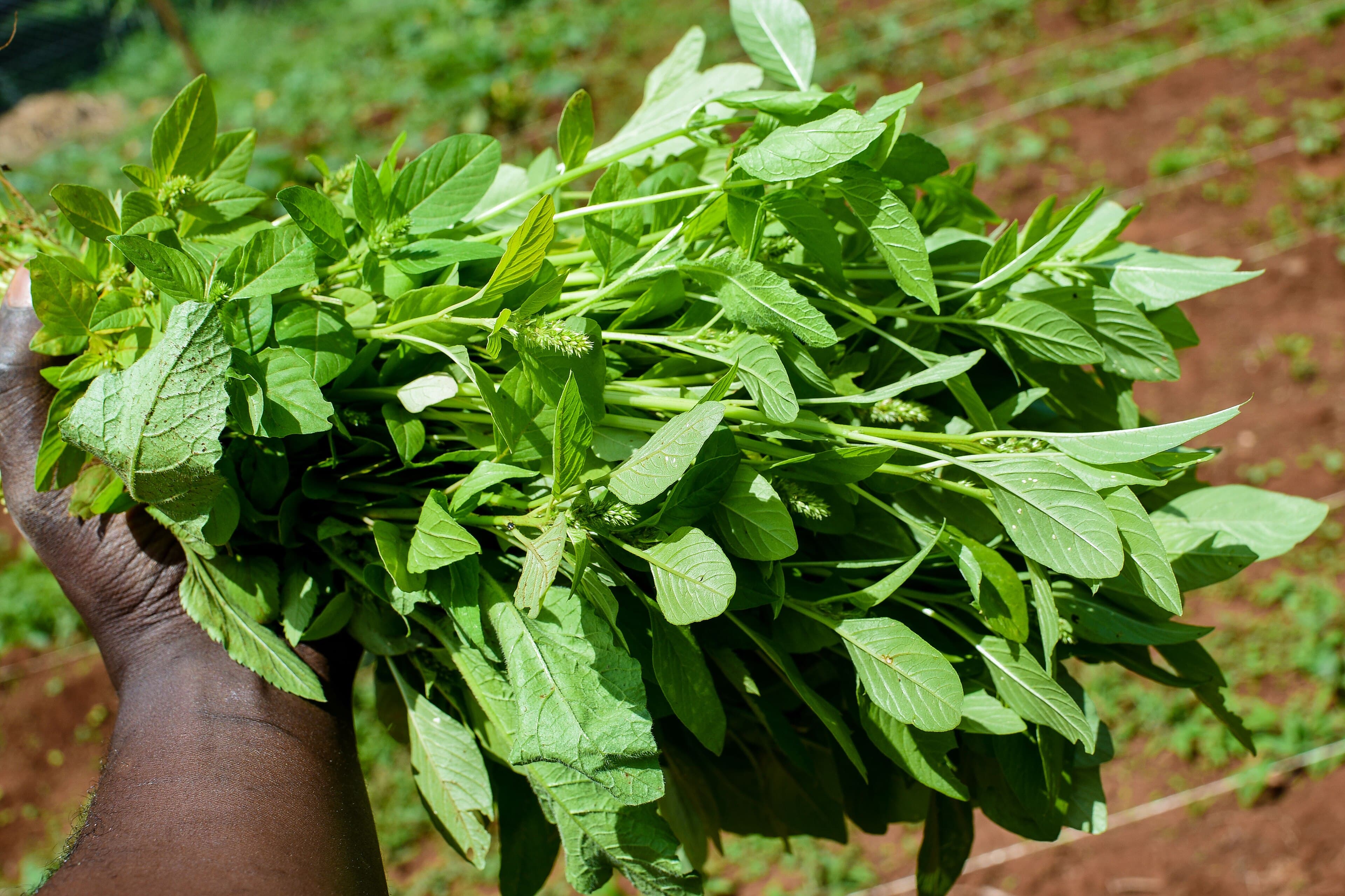
Two point one seven acres worked properly is denser, more diverse and more productive per acre than anything a tractor can reach. The constraint is attention, not area.
- 02
The soil is the balance sheet
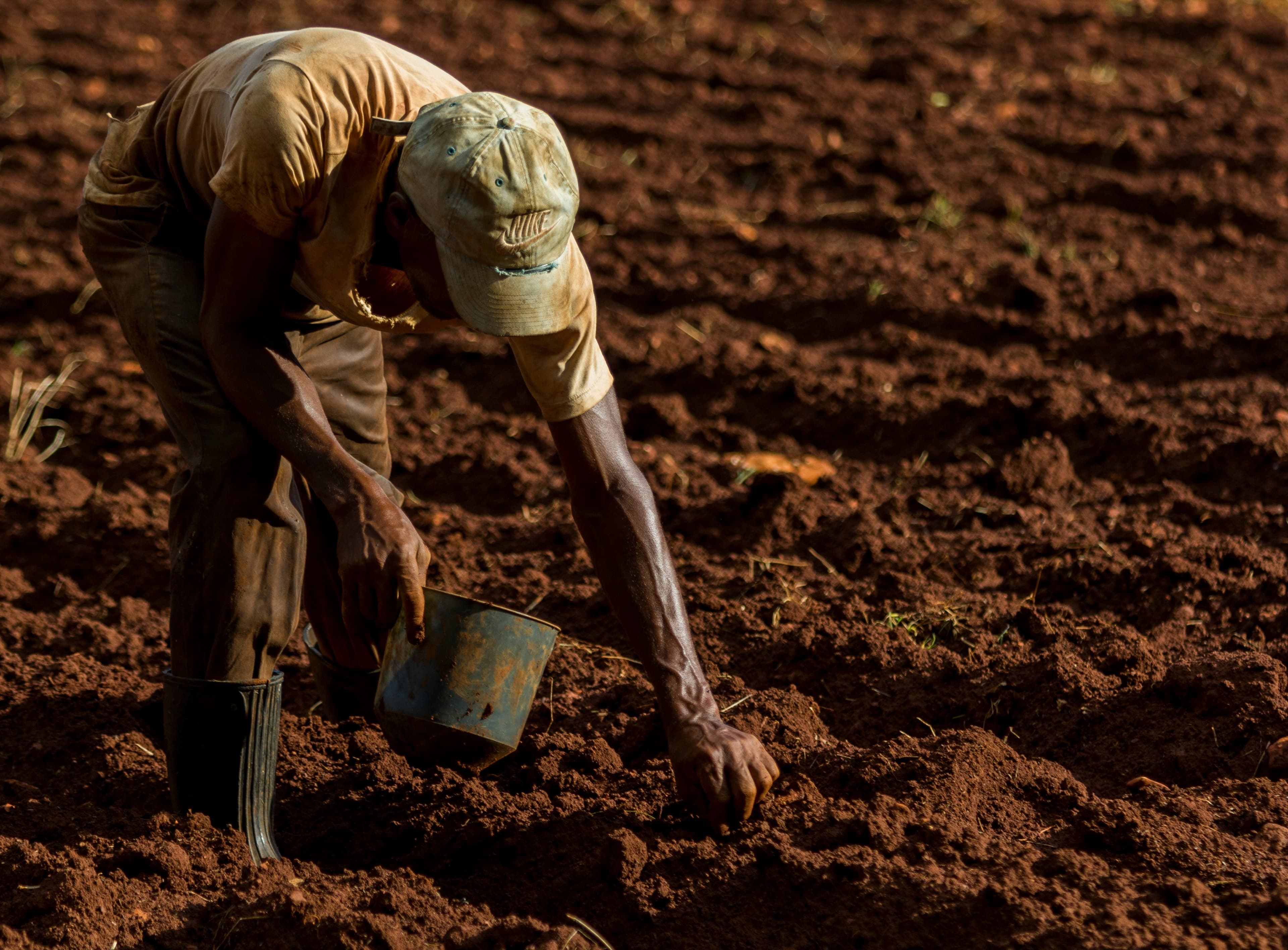
Everything else — yield, resilience, what we can charge — is downstream of organic matter and water infiltration. We manage those first and let the rest follow.
- 03
A farm should be worth walking through
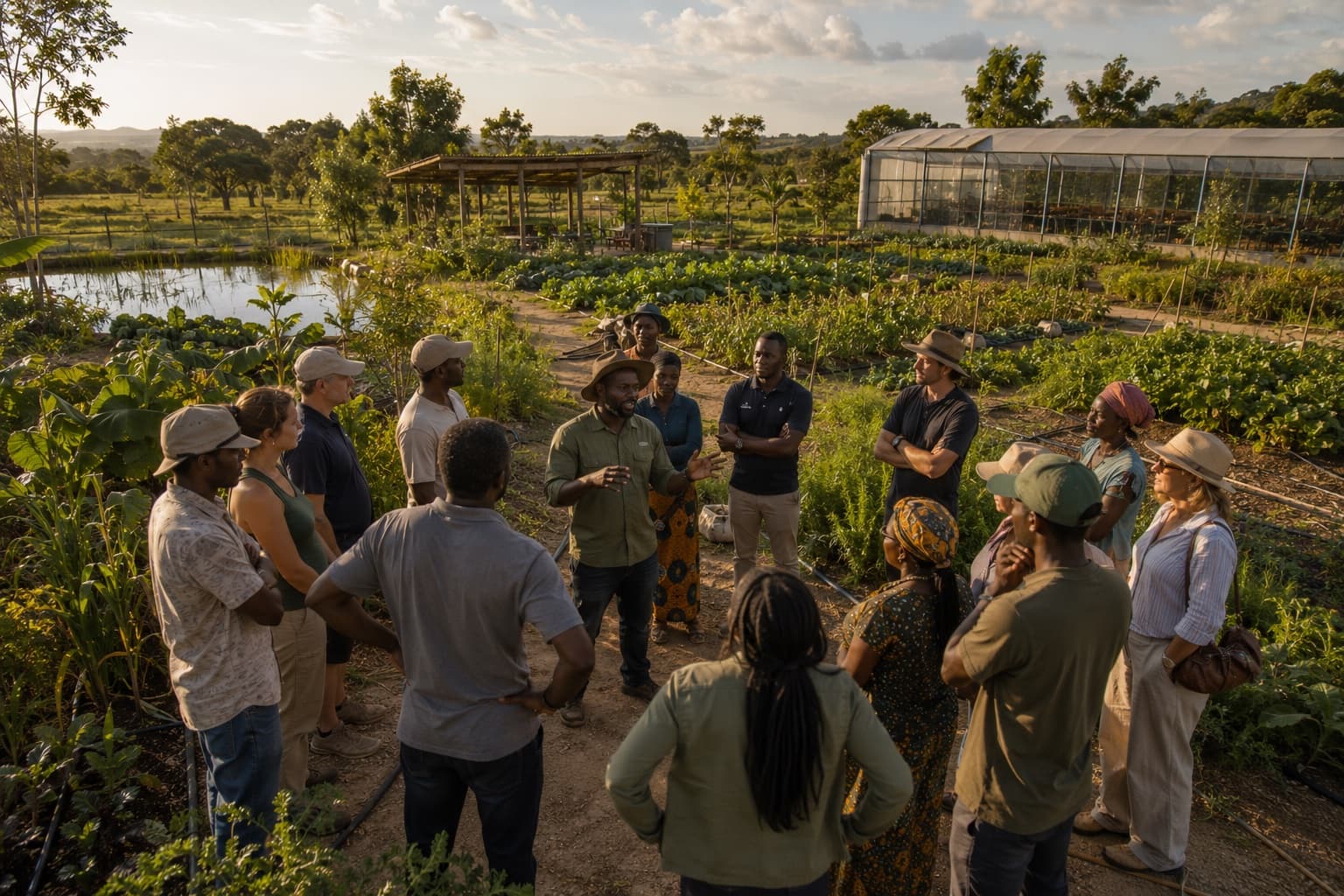
Beauty is not decoration here. A place people want to spend a day in is a place that funds its own education programme and sells its own produce.
- 04
Prove it or drop it
We measure what we claim, publish what we measure, and say plainly when something did not work. A method nobody can check is a story, not an argument.
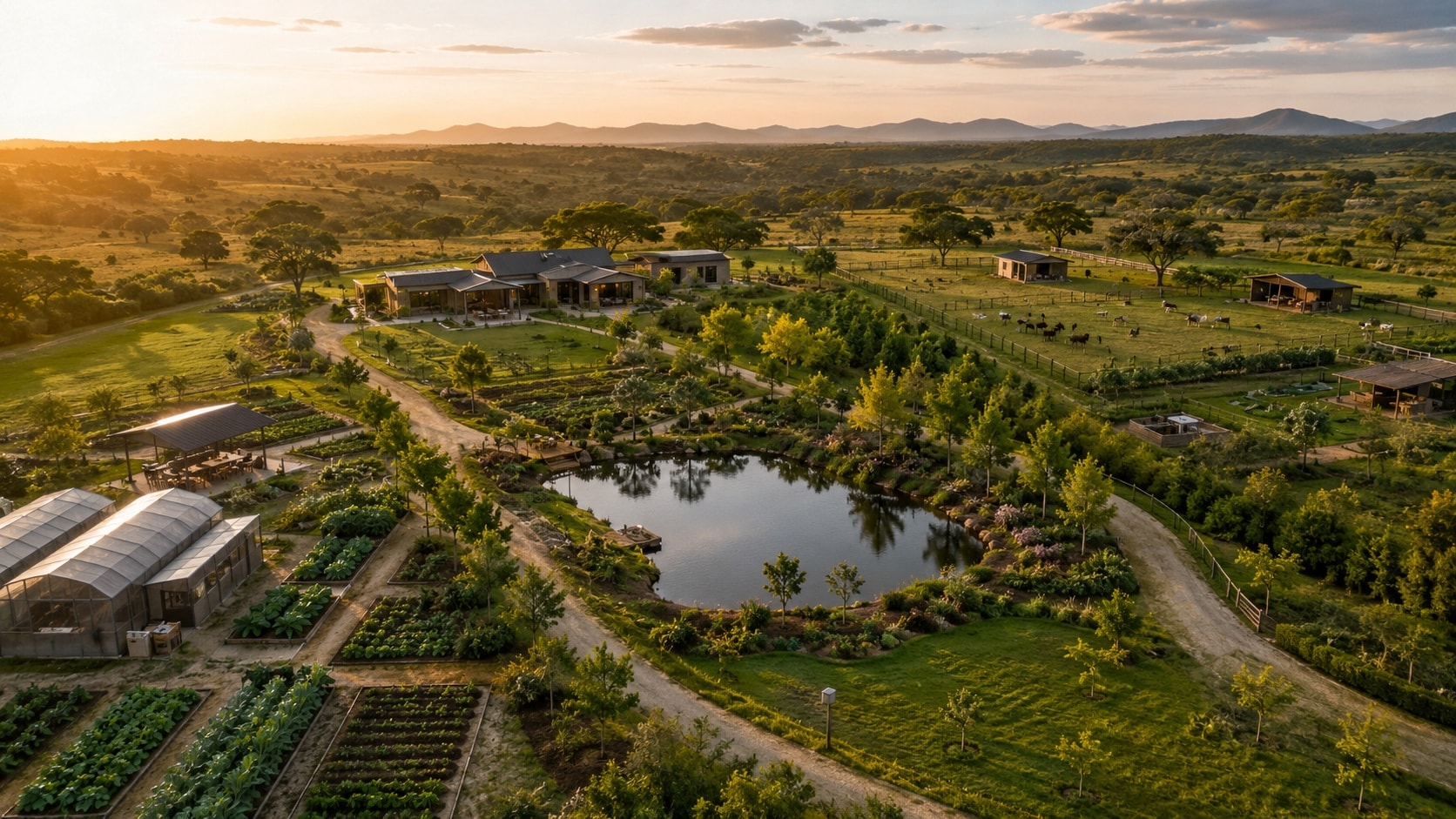
We did not start from better ground. That is the whole point.
What we are setting out to do
The farm is being built now, so there is nothing yet to measure. These are the terms we are building to — the ones the record will be kept against.
- 2.17
- Acres — the whole holding
- 8
- Disciplines on one piece of ground
- 0
- Synthetic inputs, ever
- 100%
- Of what we sell, grown here
Not a demonstration corner of something larger. Every claim on this site has to fit inside it
Horticulture, permaculture, agroforestry, livestock and the rest, sharing the same acres
No manufactured fertiliser, herbicide or pesticide — from the first bed onward
Nothing bought in and resold, so every crate traces to a bed
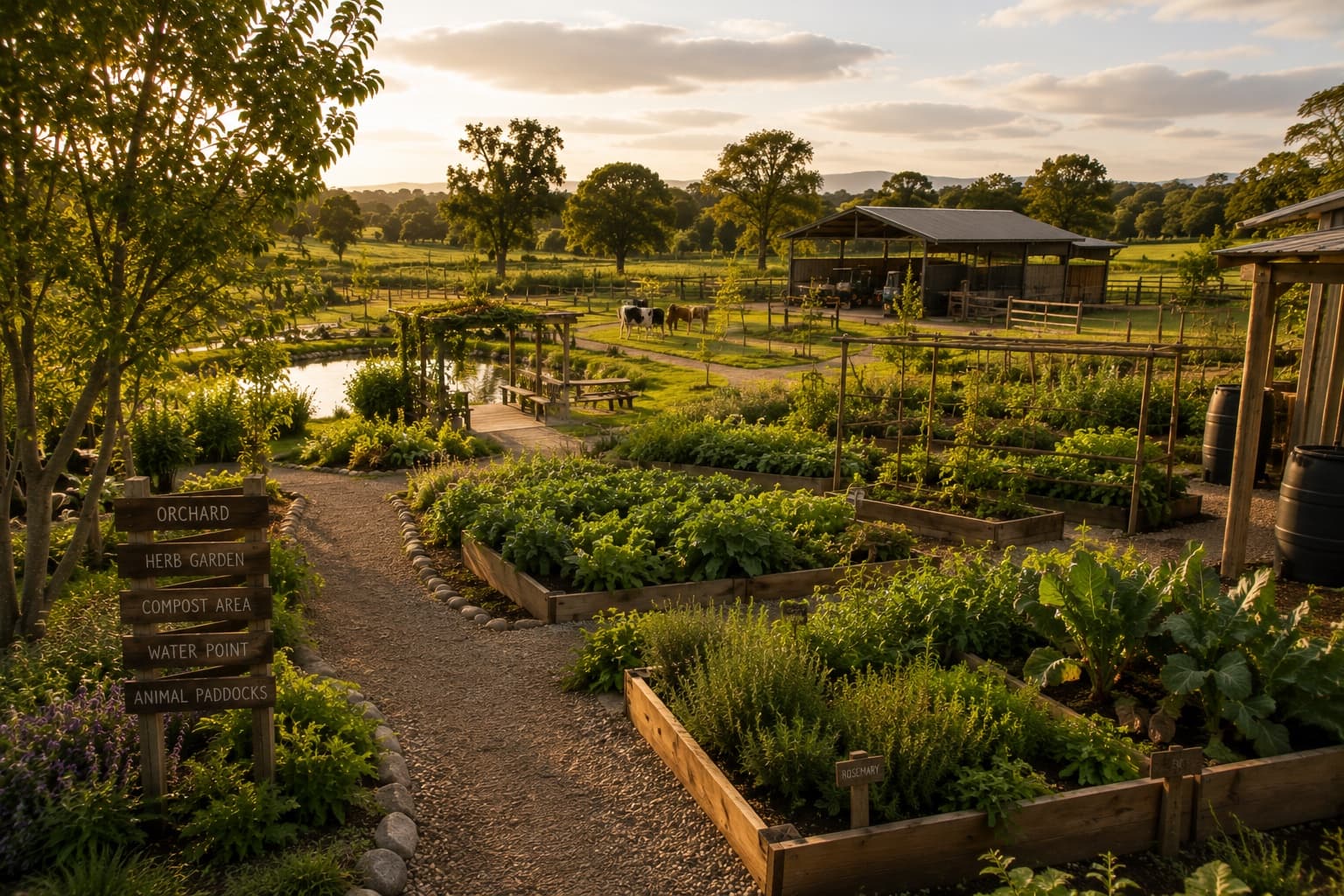
The argument is the place
None of this reads properly on a screen, and one day you will be able to walk it instead — the beds at first light, the trees that went in as sticks, and lunch within sight of where it was grown. Not yet. Ask us to tell you when.