I · Learn
Come for a day. Leave able to start.
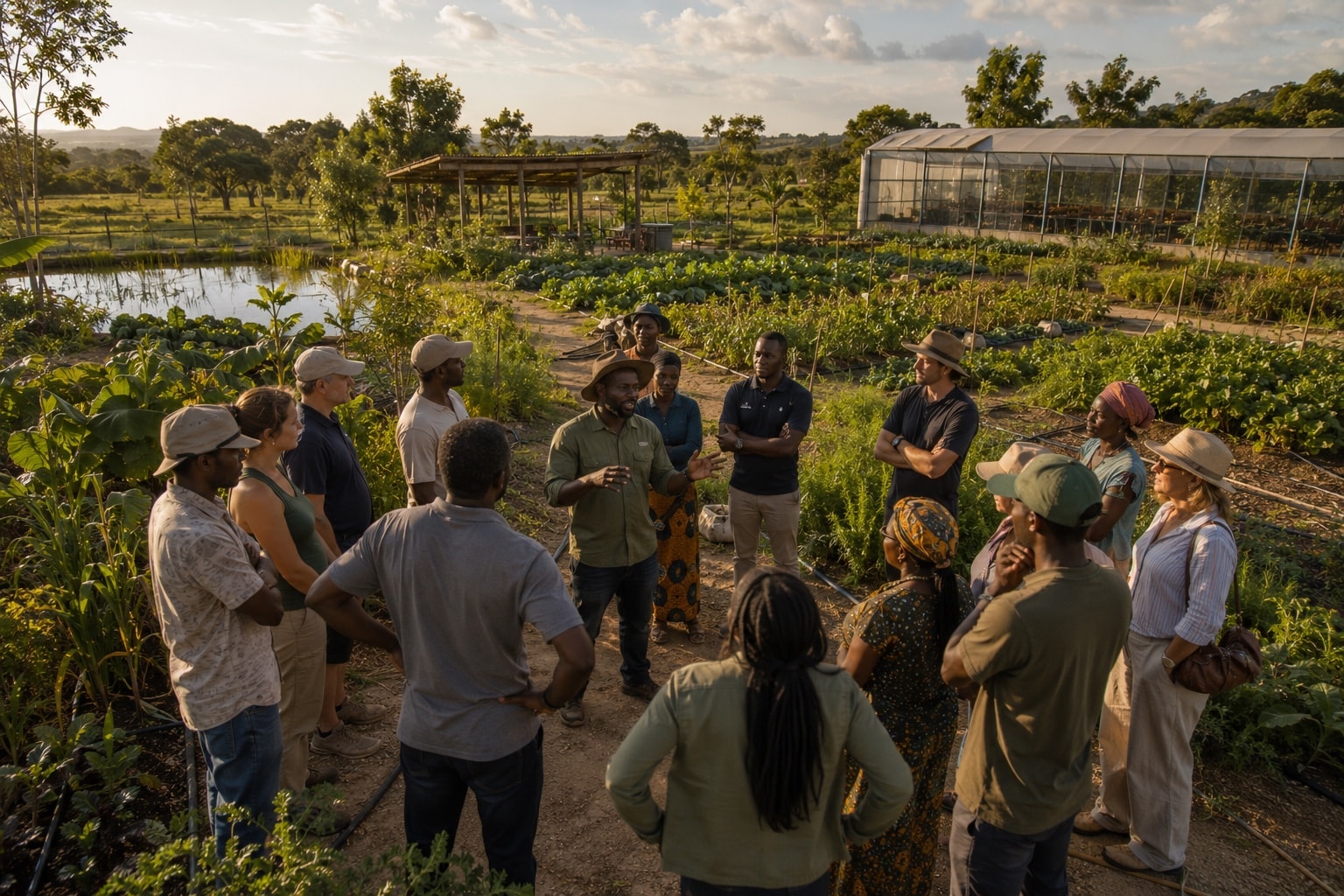
Field days, short courses and a season-long apprenticeship for growers who intend to change how their own land is farmed — not to admire how ours is.
- Field days
- Monthly
- Short course
- 4 days
- Apprenticeship
- One season
- Cohort
- 6 — 18
Regenerative farming is not difficult to understand and it is very difficult to start. Almost everything that stops people is practical, local and unglamorous — and none of it is in a book.
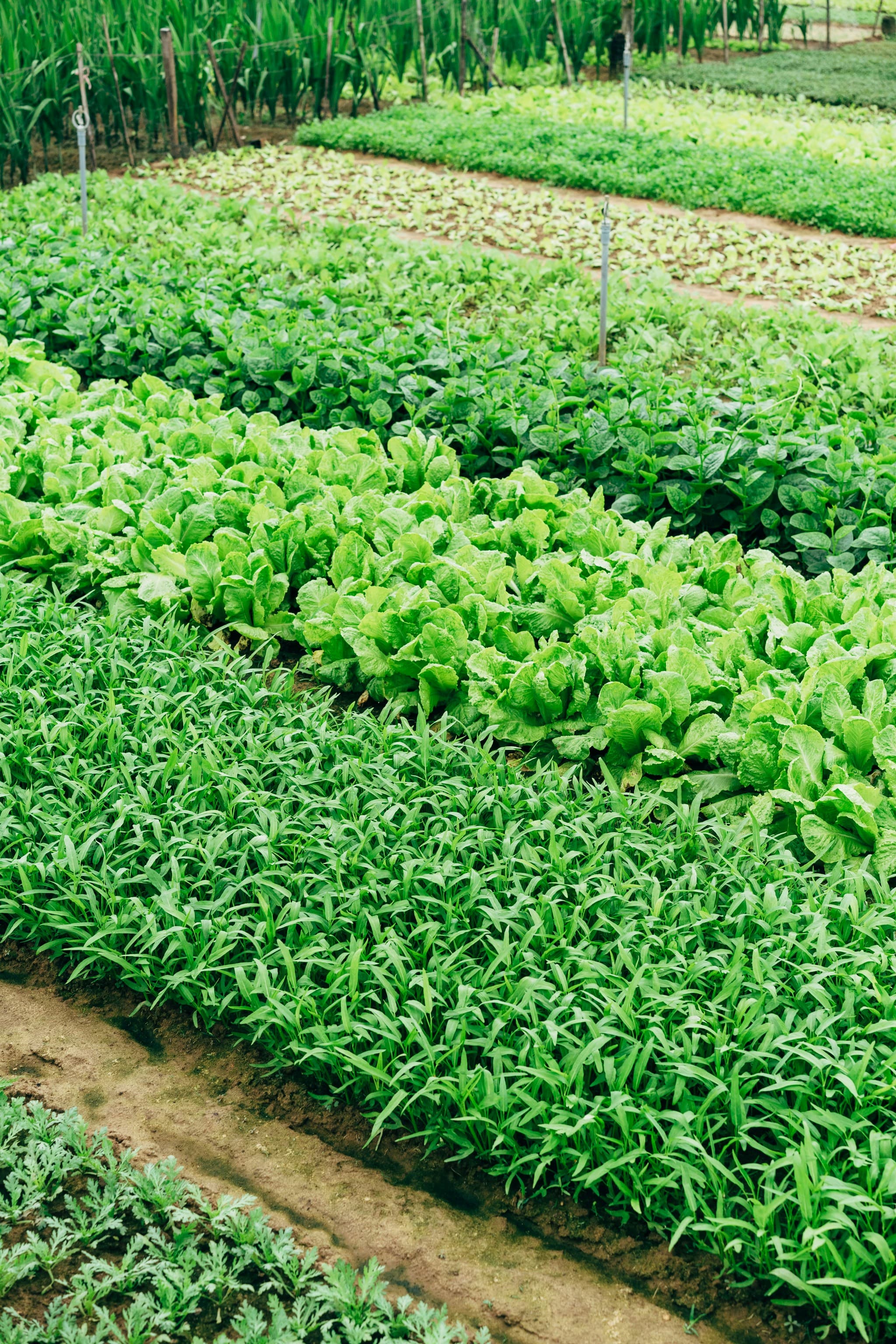
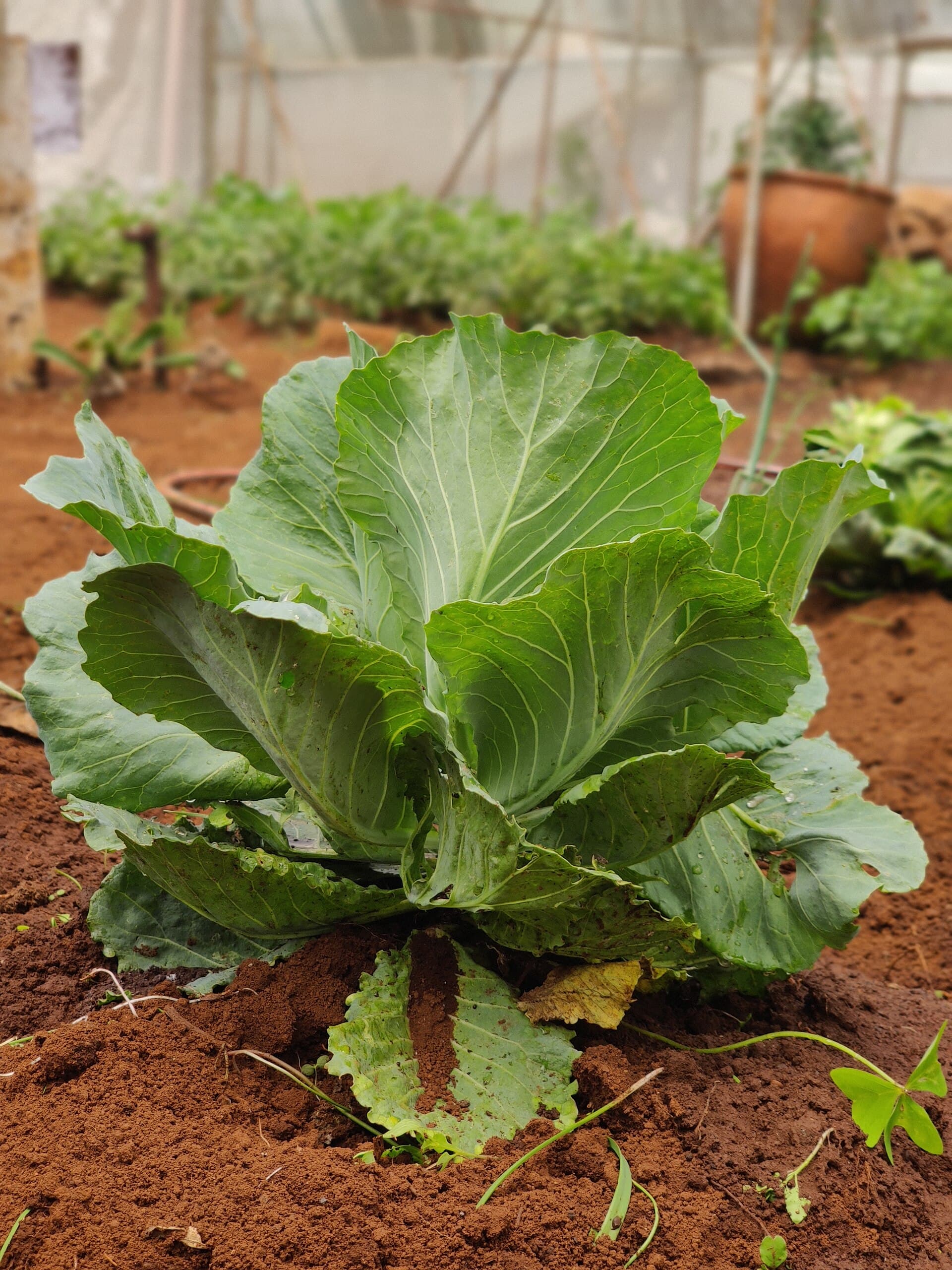
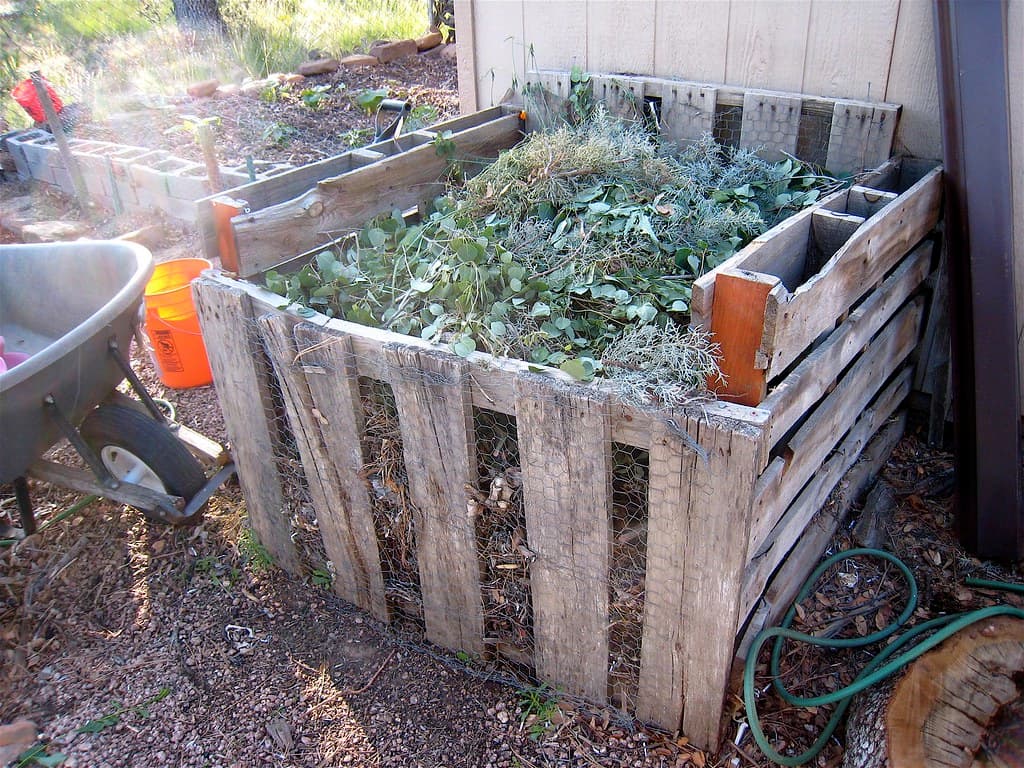
Four ways in, and each ends somewhere
You do not have to start at the bottom. Most people come for a field day and stop there, and that is a perfectly good outcome.
- 01
Open field day
Walk the whole estate with whoever is running it that month. Everything is open — the compost, the accounts, the failures. Ask anything.
- Commitment
- One day
- Runs
- Monthly, first Saturday
- You leave with
- A clear head about whether this is for you
- 02
Short course
Soil, water, planning and planting, taught in the beds rather than a room. You bring a real site; you leave with a design for it.
- Commitment
- Four days
- Runs
- Quarterly
- You leave with
- A worked plan for your own ground
- 03
Apprenticeship
Work the farm through a whole cycle — the rains, the dry, the harvest and the mistakes. Paid, hands-on, and deliberately small.
- Commitment
- One full season
- Runs
- Two intakes a year
- You leave with
- The judgement that only a season gives
- 04
Your own land
Everyone who has come through stays on a list. When something fails on your ground — and it will — there is somebody to ask.
- Commitment
- The rest of it
- Runs
- Ongoing
- You leave with
- People to call when it goes wrong
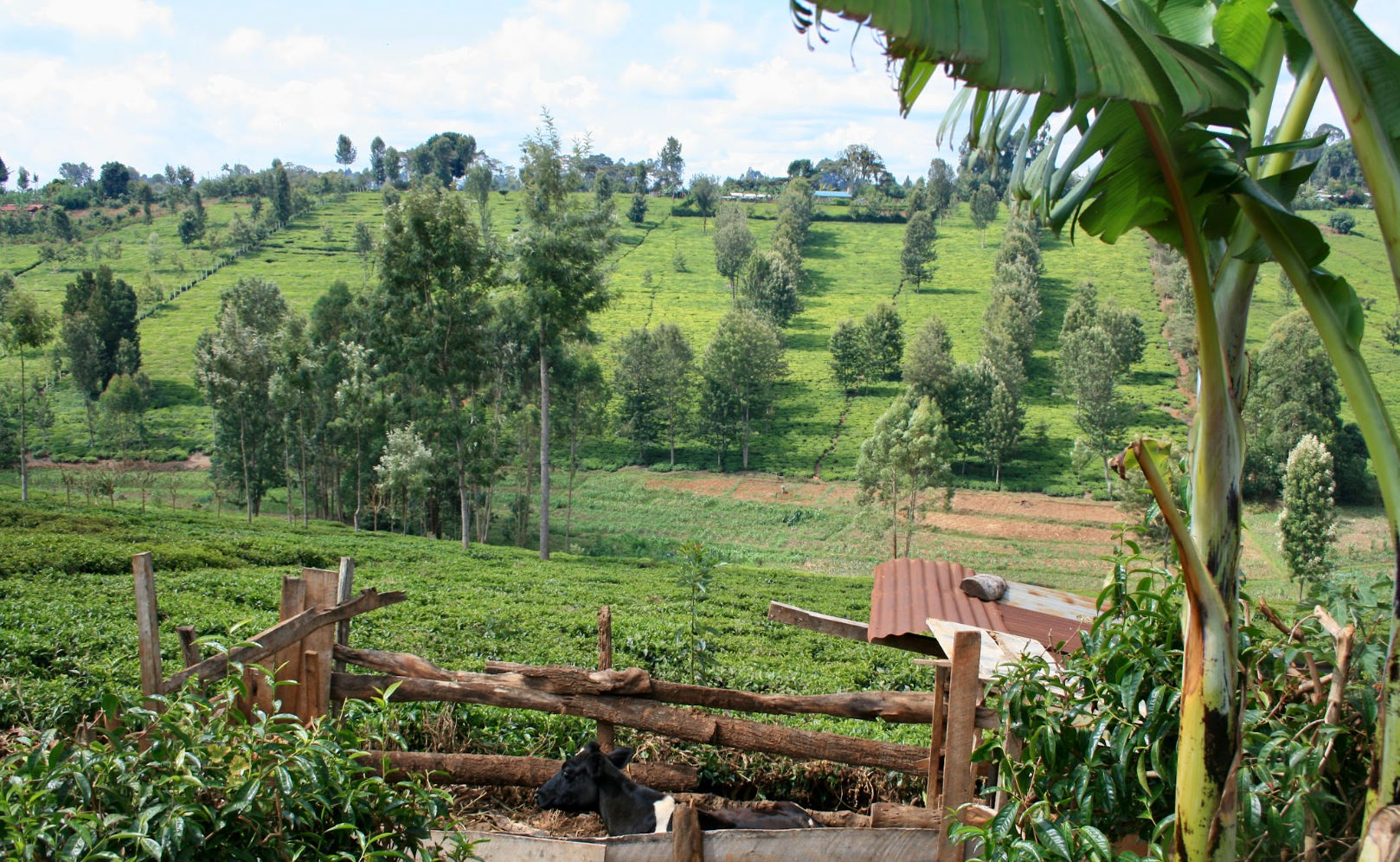
Nobody learns compost from a slide.
In the beds, not in a room
Every module is taught where the thing actually happens. Nobody learns compost from a slide.
Module 01 · Reading your soil
Taught at a pit, not a slide. This is the plate that goes with it.
A spade reaches 30cm. A pit tells you the rest.
What each layer tells you
- O
- Litter0–3cmCover. If you can see bare soil, start here.
- A
- Topsoil3–22cmDark, crumbly, smells of rain. This is the bank.
- B
- Subsoil22–44cmDenser, paler. Where roots go if you let them.
- C
- Parent material44–62cmWeathering rock. Nothing you can change quickly.
Depths are typical, not measured here — the module teaches reading a pit, not memorising one
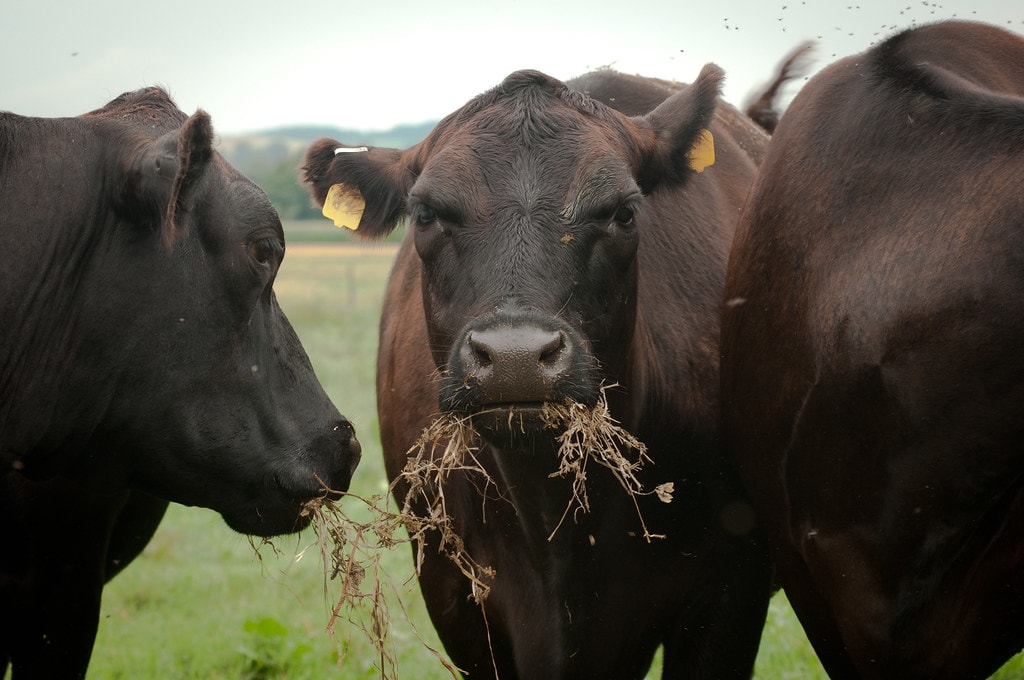
Who this is for
Come
- Smallholders with land already and yields going the wrong way
- People who have bought a plot and do not know where to start
- Agronomists and extension officers who want the practice, not the theory
- Chefs and buyers who want to understand what they are sourcing
- Schools and universities bringing a group
Probably not
- Anyone looking for a certificate to hang up rather than a method to use
- Investors wanting a tour — that is a private visit, and it is welcome
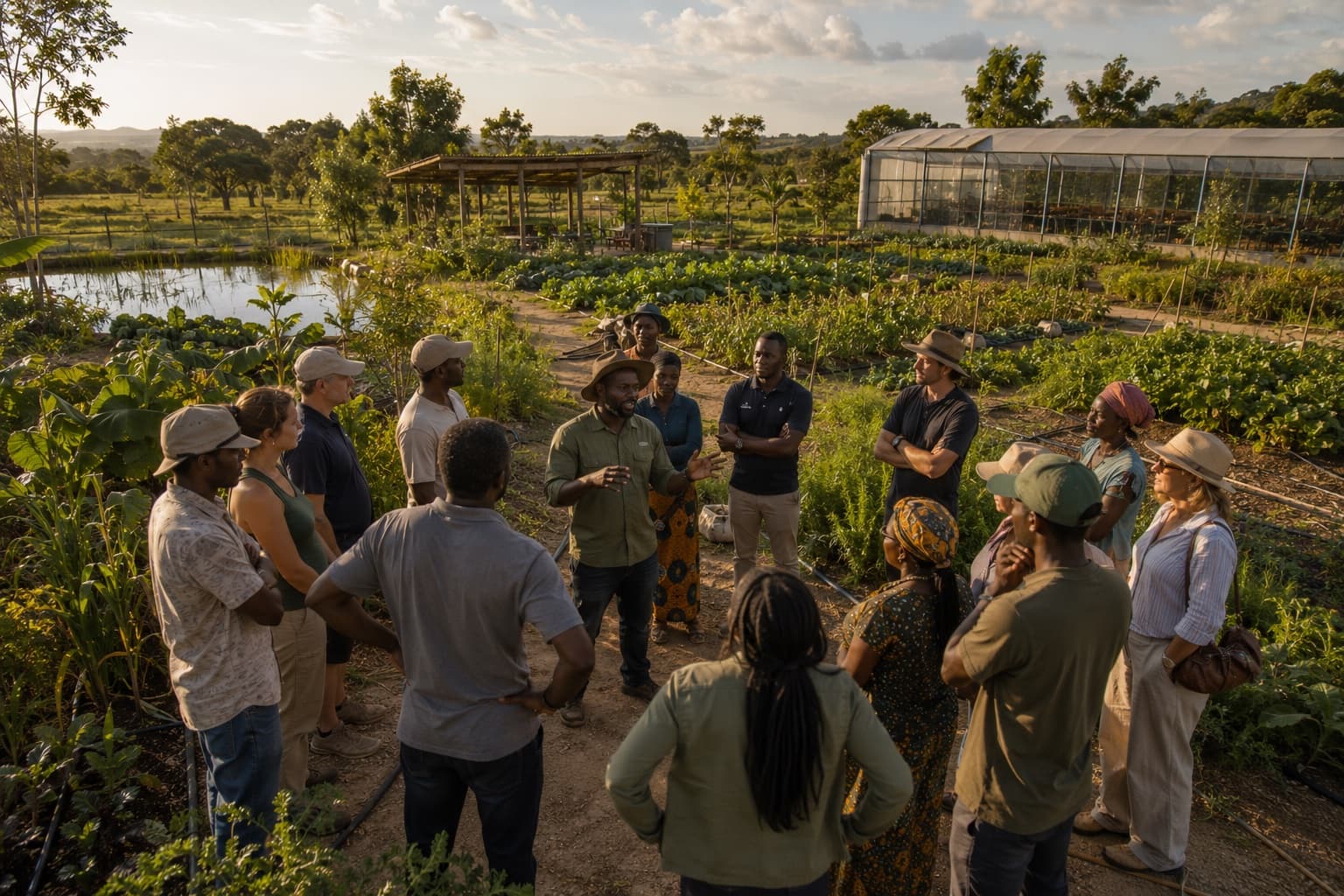
Start with a field day
They run monthly and cost less than lunch in Nairobi. Come once, see whether the method is worth your season, and take it from there.