 01
01Visit
Walking the beds at first light, meeting the team, lunch within sight of where it was grown. Planned for when there are seasons behind us worth showing.
Opens when it is earned
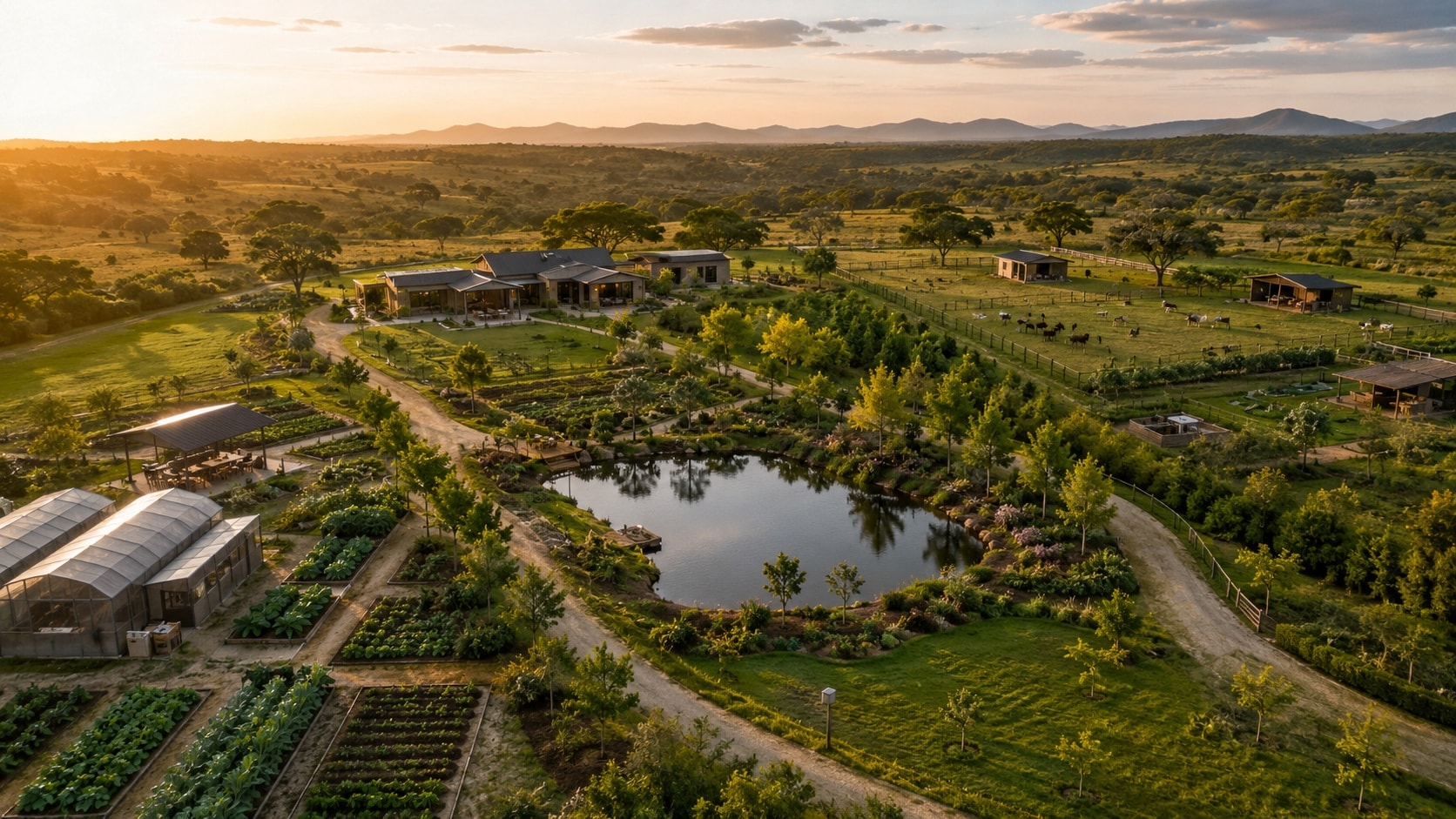
Everything on this site after this point is what Soko Harvest is being built to be. It is not a description of a working farm, because there is not one here yet — there is 2.17 acres, a water source, and a programme. This is where that programme has got to.
The holding secured, the water source in, storage sited high enough to feed the beds by gravity.
Under wayWindbreak planted, compost system running, first beds shaped, greenhouses up. The trees go in during this stage even though they pay last — nothing shortens a five-year lead but starting it.
To JanuarySalad leaf, herbs and the first greens. Weeks from sowing rather than seasons, which is why they are first — they are what pays while the orchard takes its time.
From MarchA small number of kitchens, then the first boxes. Deliberately few: we would rather supply ten kitchens properly than fifty badly.
From mid-2027Farm days, courses and the long table — once there are seasons behind us worth showing, and not before. Teaching a method we have not yet proved here would be the fastest way to be worth nothing.
When it is earnedUpdated as each stage lands. If it has not moved in a while, it has not happened.
Follow the buildThe method, in four lines
The yields follow. They always do.
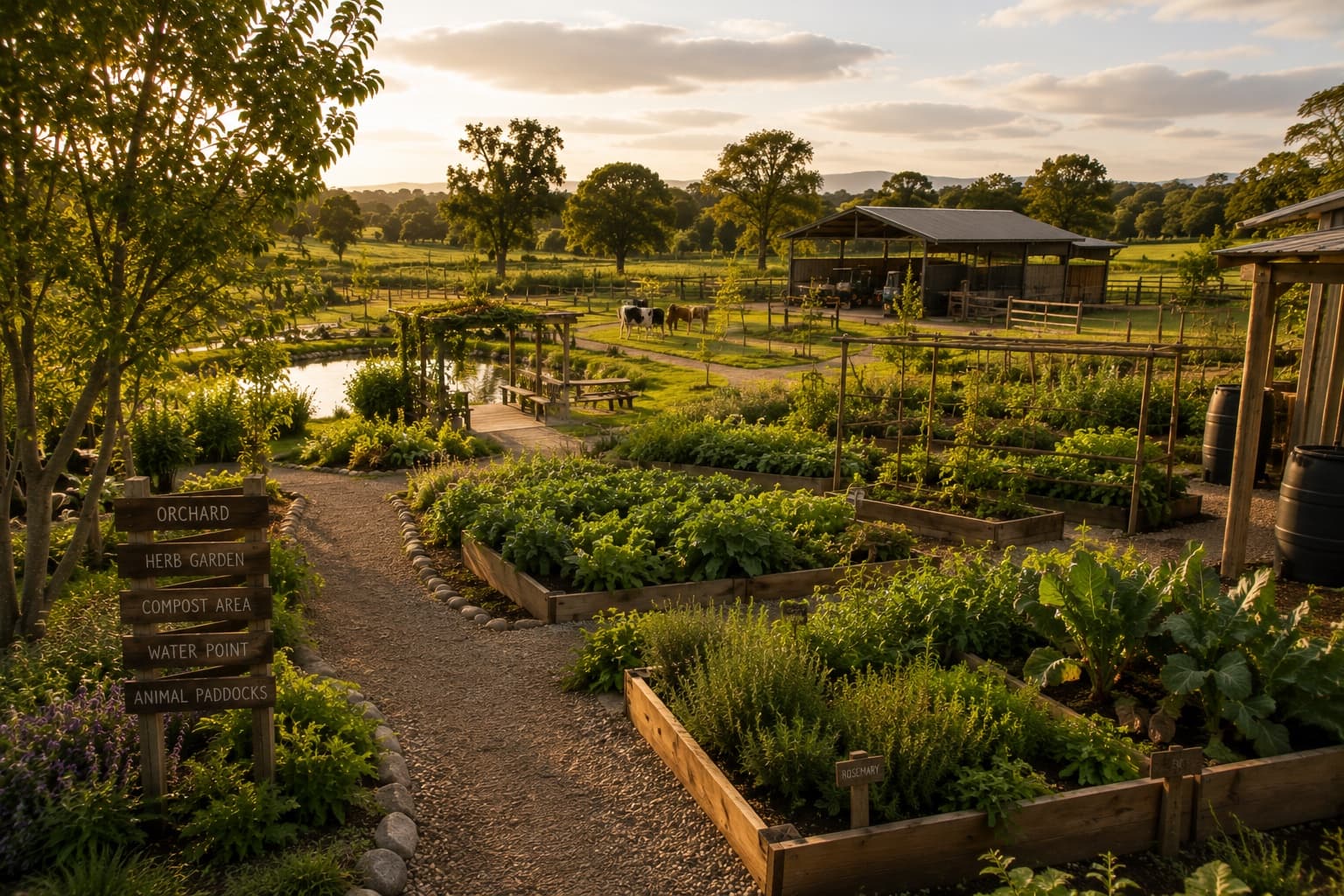
The estate — 2.17 acres
Every roof drains to a tank. The compost sits between the stock and the beds. The road is one loop with no dead ends.
01Walking the beds at first light, meeting the team, lunch within sight of where it was grown. Planned for when there are seasons behind us worth showing.
 02
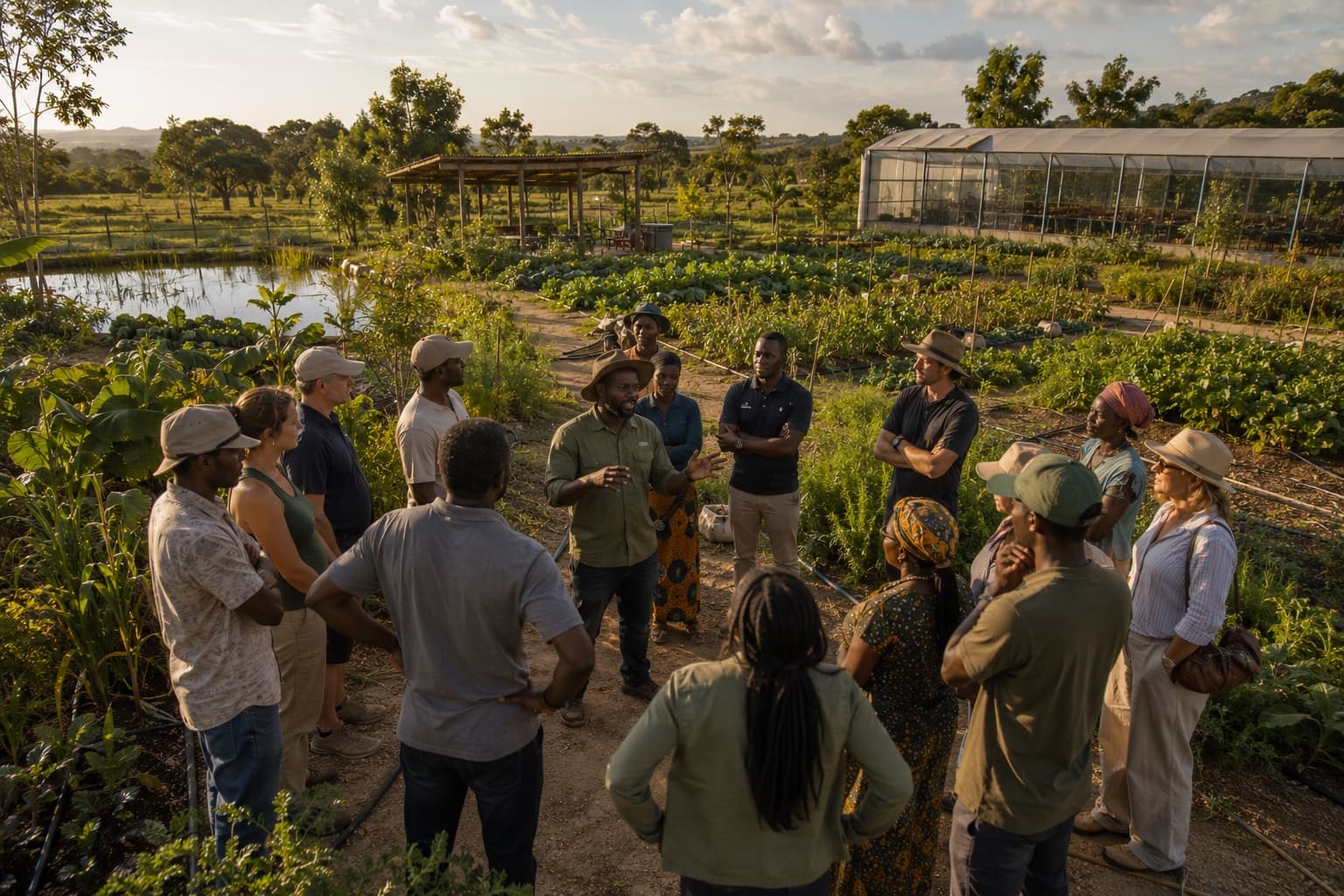
02Courses, apprenticeships and open field days for growers who intend to change how their own land is farmed.
 03
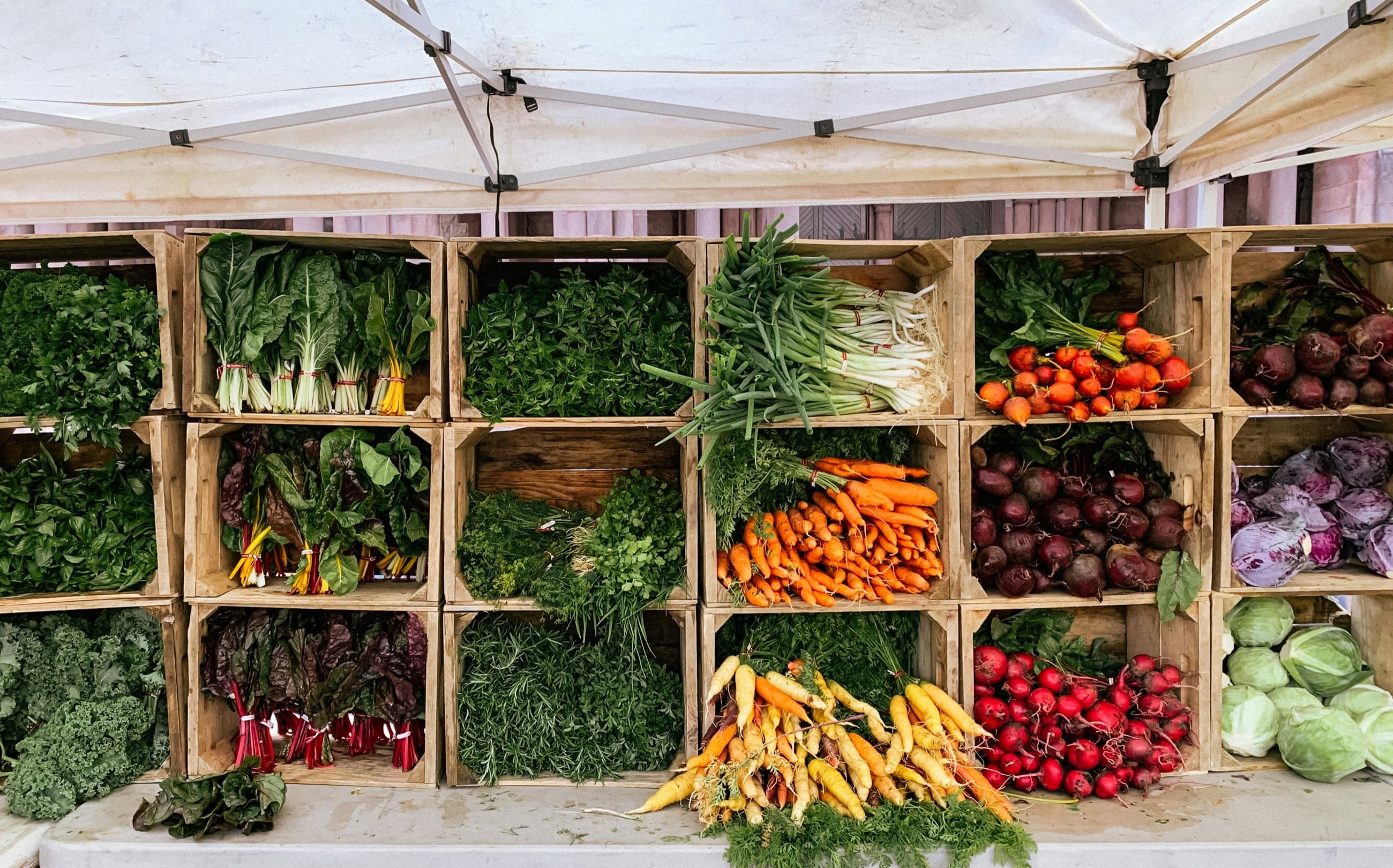
03Standing orders for restaurants, lodges and specialist grocers who need to know exactly which bed their food came from.
 04
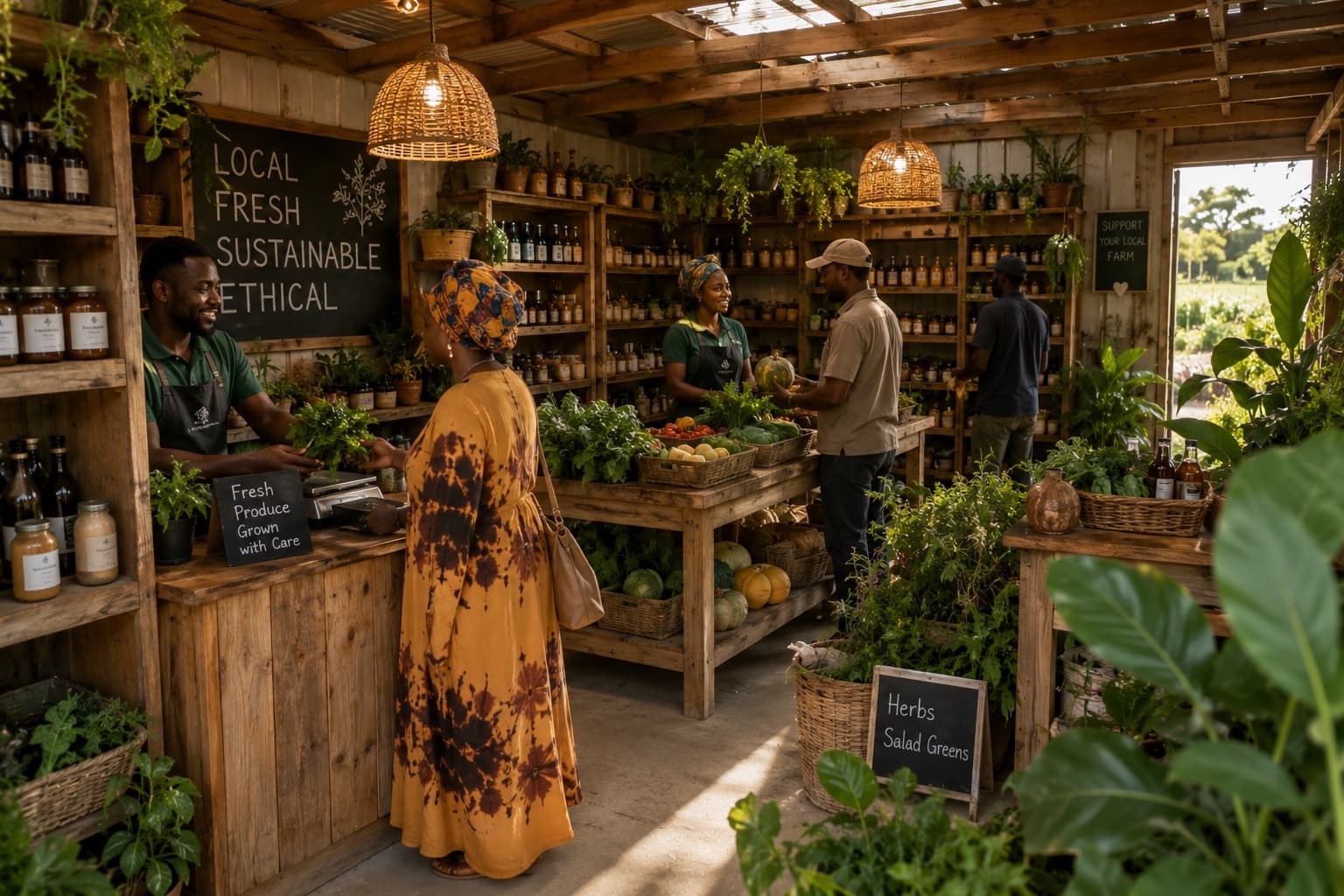
04Weekly boxes, the farm shop, and produce cut the morning it reaches you. The list is open before the first cut is.
Kitchens that care where it came from, and households that would rather not guess. Quality before quantity — we will never sell more than the ground can carry, and this ground is 2.17 acres.
The farm is being built now, so there is nothing yet to measure. These are the terms we are building to — the ones the record will be kept against.
Not a demonstration corner of something larger. Every claim on this site has to fit inside it
Horticulture, permaculture, agroforestry, livestock and the rest, sharing the same acres
No manufactured fertiliser, herbicide or pesticide — from the first bed onward
Nothing bought in and resold, so every crate traces to a bed
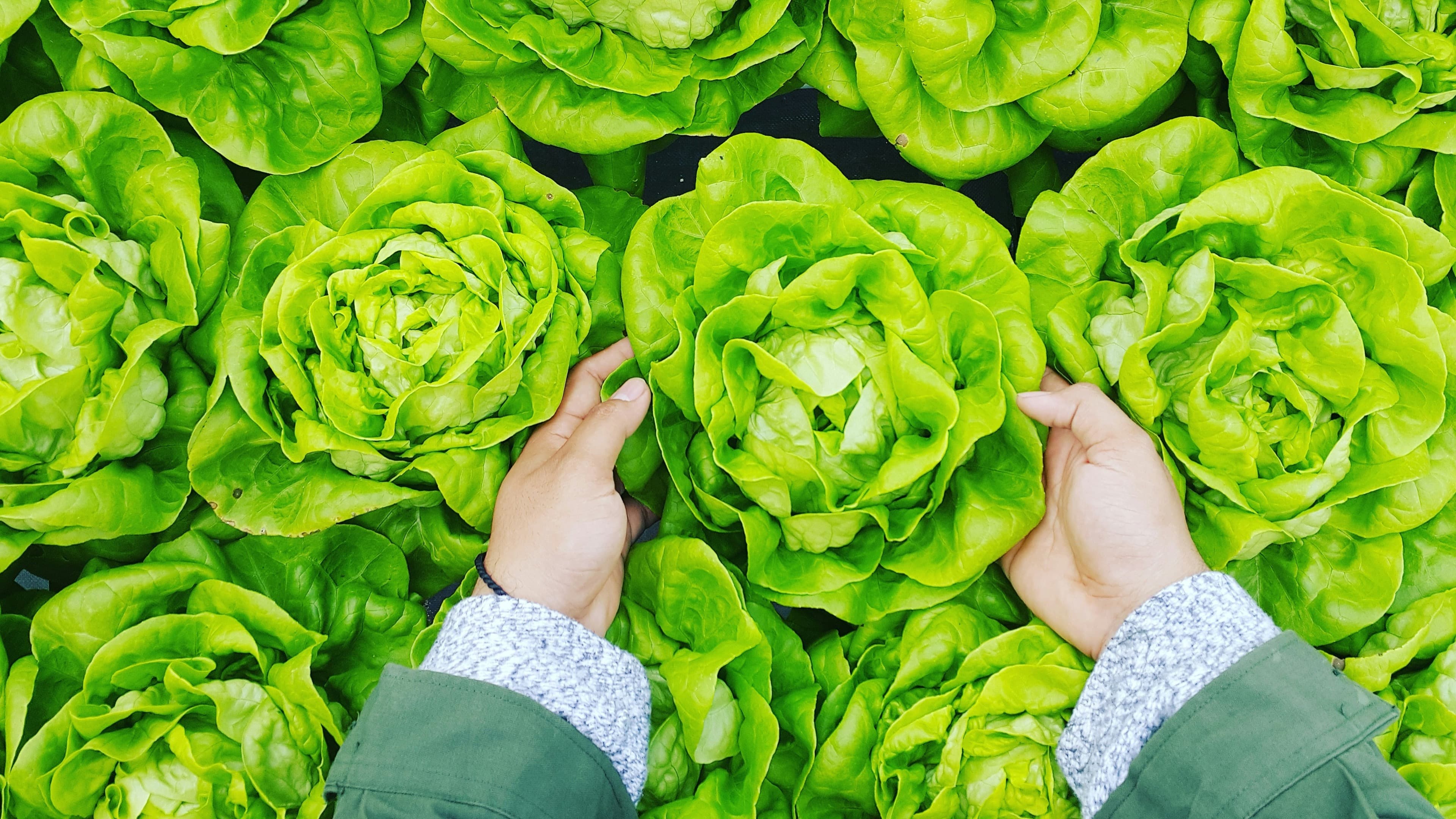
Being sown through the build. The fast crops come first because they have to — they are what pays while the trees take their time.
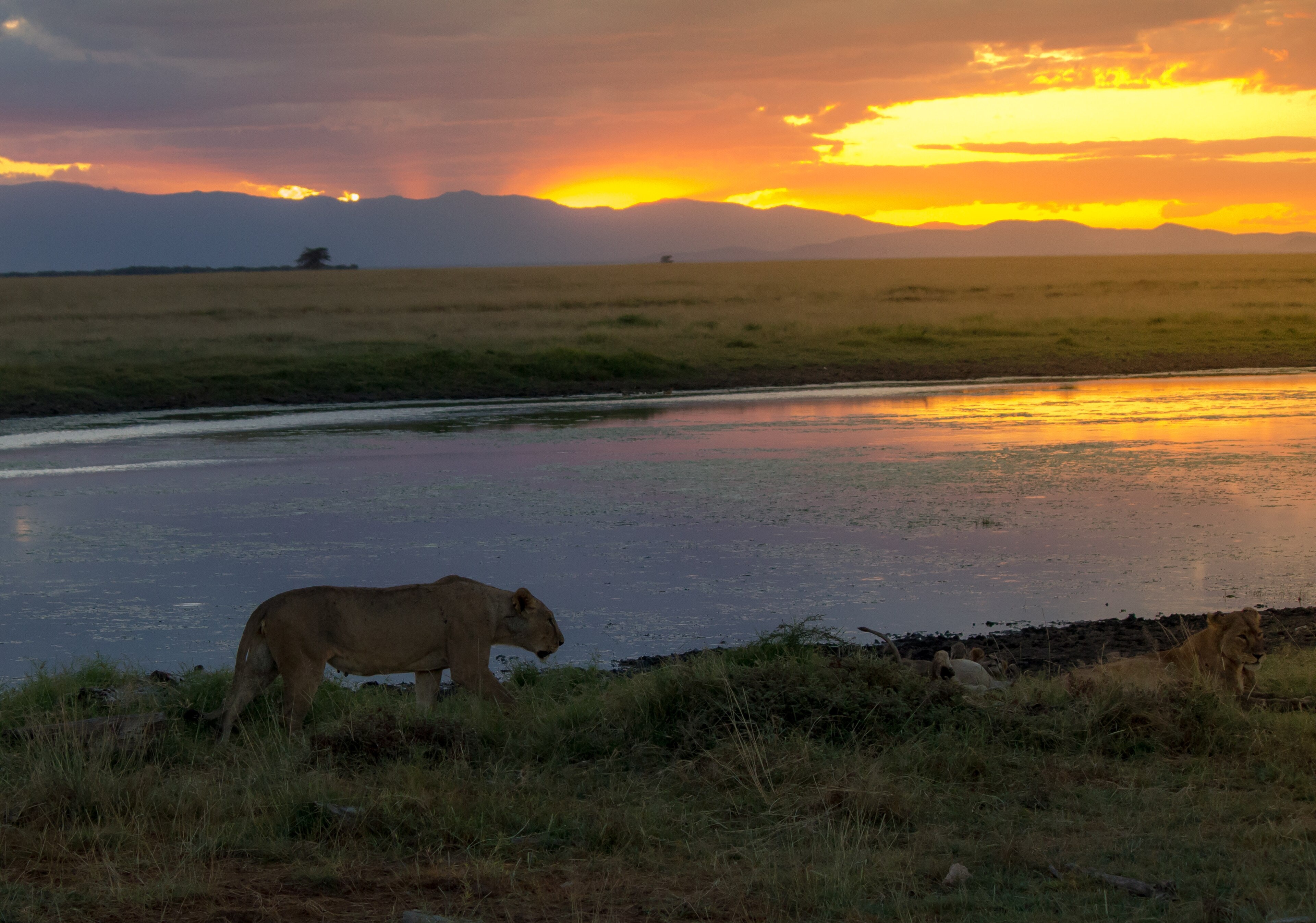
“We are not farming the way it was done before. We are farming the way this particular piece of ground wants to be farmed.”
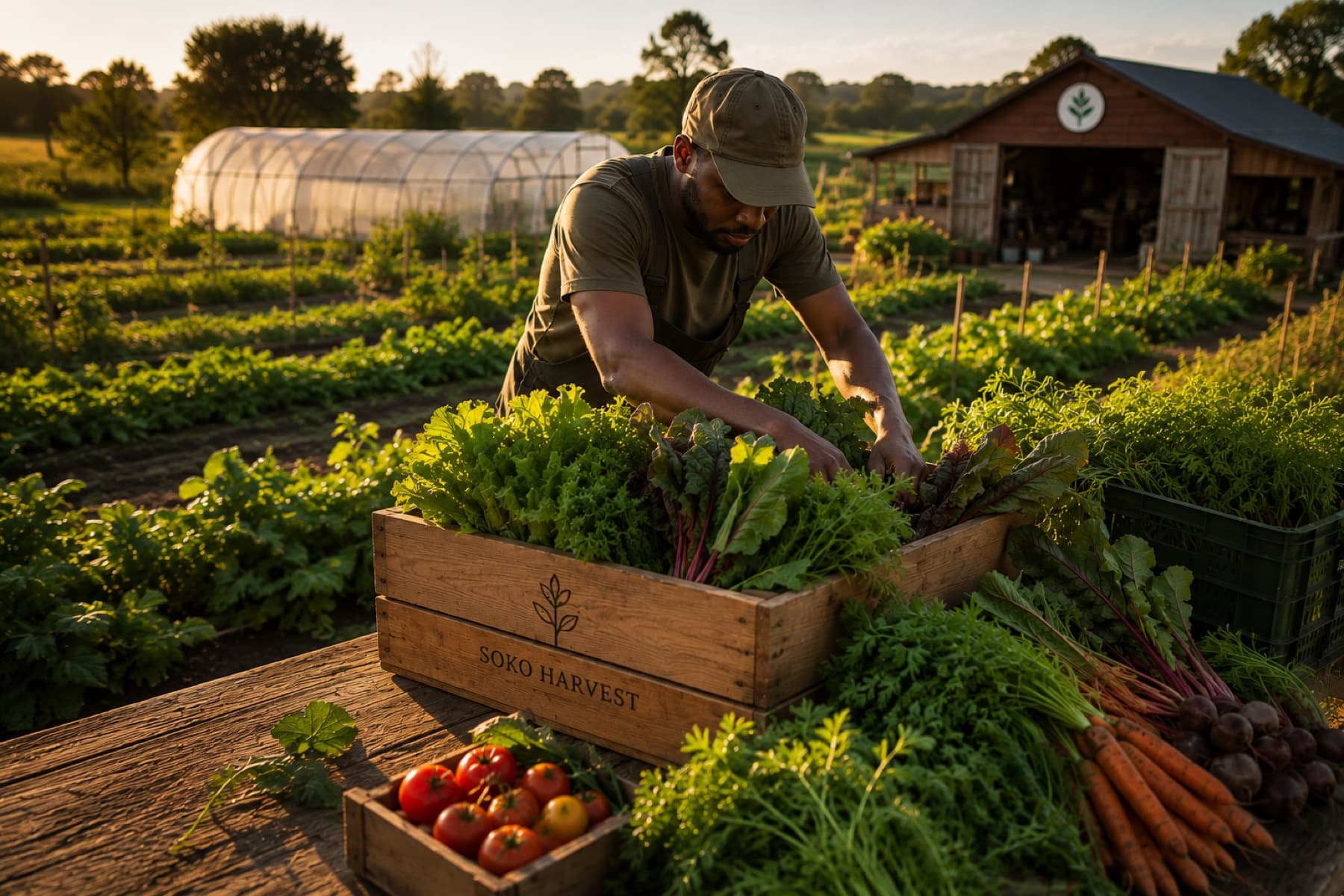
What is ripe, what went wrong, what we are planting next. Once a month, from the people doing it.