Why the hedgerow goes in first
The boundary is for windbreak and shade. It still goes into the ground ahead of beds we could be cutting from within weeks, and that order is deliberate.
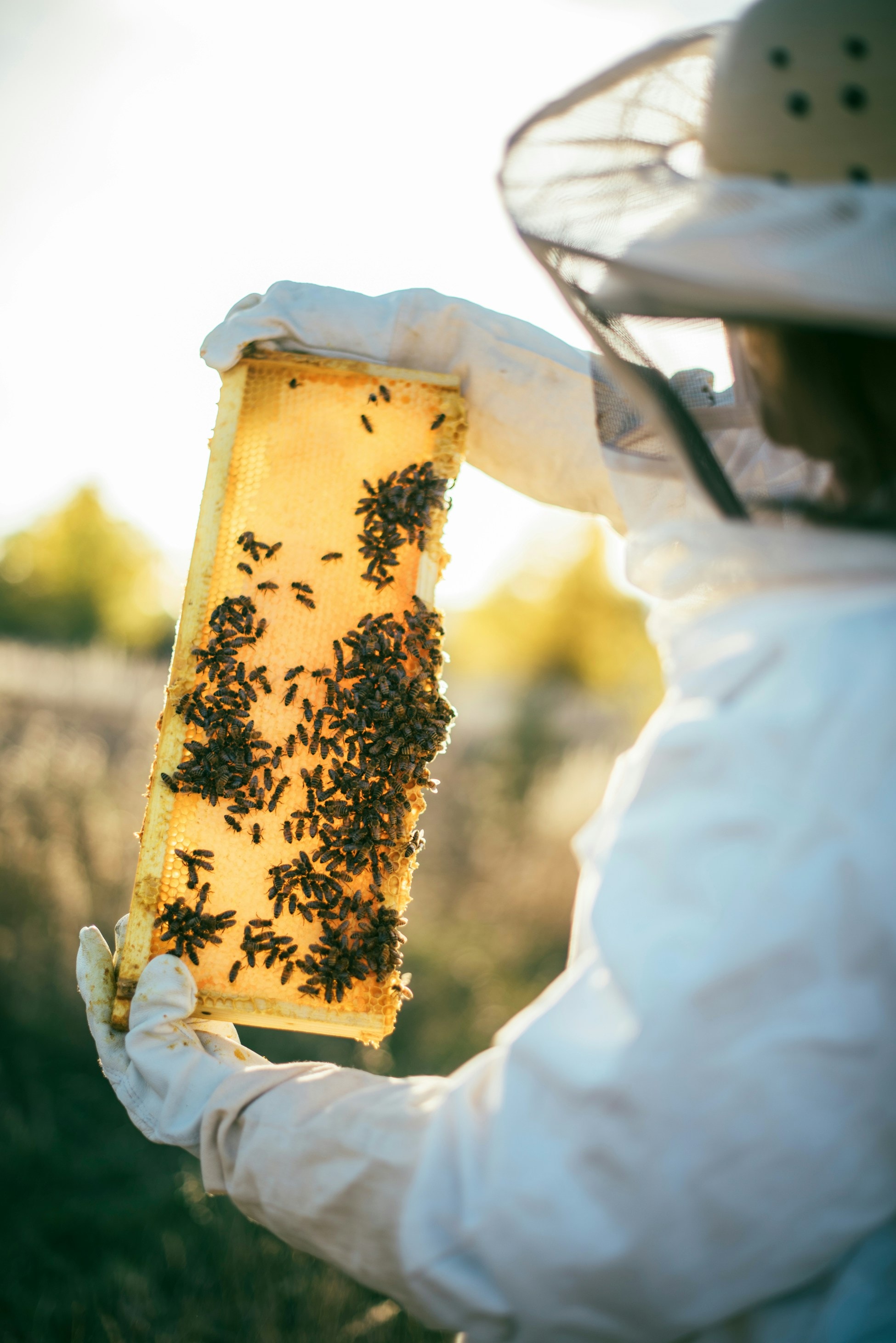
The boundary is going in for windbreak and shade. Those are the reasons on the plan and they are good enough on their own — wind takes moisture off a bed faster than sun does, and a hedge that cuts it pays for itself in irrigation before it pays for itself in anything else.
It is also going in first, ahead of beds we could be cutting from within weeks. This is the argument for why.
A hedge is not one thing
The reason to plant a mixed indigenous boundary rather than a single-species screen is not aesthetic, and it is not biodiversity in the abstract. It is flowering dates.
A monoculture screen has one flowering period. A mixed hedge does not really have a flowering date at all — something in it is going at almost any point in the year. For a colony of bees that difference matters more than total volume. An orchard in blossom beats a hedge comfortably for three weeks in spring; what a colony needs is not a spectacular fortnight, it is never to have a hungry one.
The months when a hive here would otherwise go hungry are the dry months, when nothing planted deliberately for a crop is in flower. Those are exactly the months a mixed indigenous boundary can cover.
What we are planting for, deliberately
Set down now so it can be held against what actually happens:
- For the gaps, not the peaks. Anything that flowers in July and August earns its place whether or not it is useful otherwise. The hedge's calendar should have no holes in it.
- Not trimmed to a line. Most species flower on second-year wood, so a hedge kept tidy flowers less. This one will be allowed to thicken.
- Forage before hives. The colonies come after there is something to eat, not before. Putting bees on a farm with nothing for them in the dry months is keeping livestock you cannot feed.
Why it is first in the ground
Everything a hedge does, it does slowly. It cannot cut wind in its first season and it cannot feed anything in its first year. The beds can be productive in weeks; the boundary cannot. That asymmetry is the whole argument for reversing the order they go in — the slowest thing starts first, or it never catches up.
Nothing on this farm should have one job. The difficulty is that you only design for the job you thought of, and the ones you did not think of show up years later in whatever you happened to plant beside it.
Whether this boundary turns out to do more than we planned for is not something we know yet. The point of writing it down before planting is that we will not be able to claim afterwards that we did.