Farming a year that comes round twice
Kajiado does not have four seasons. It has two rains and a long dry, and the whole build programme is being set against that calendar rather than a borrowed one.
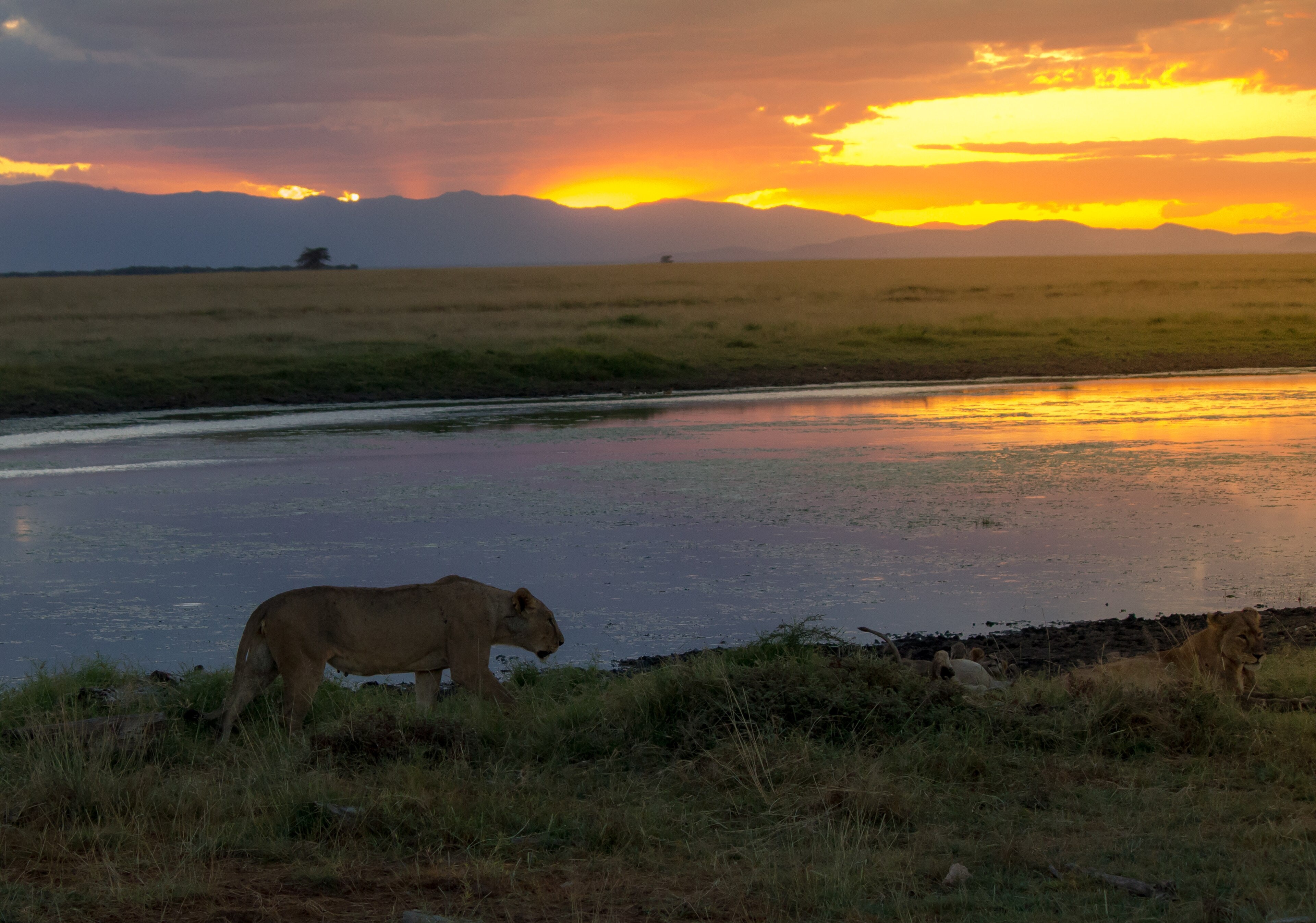
The most common way to get this ground wrong is to plan as though the year had one growing season with a beginning and an end. It does not. Kajiado has two rains and a long dry, and the calendar that will govern this farm goes round twice.
We are writing this before we sow anything, because the whole build programme is being set against this calendar rather than against a European one — and if we have read it wrong, that will be visible here later.
The shape of it
The long rains run March to May and peak in April. The short rains run October to December and peak in November. Between and after them is dry — properly dry, not merely rain-free — and June to September is the stretch you have to plan across rather than through.
Two consequences follow, and they are not obvious until you have got them wrong.
You sow twice, and the second one is harder
The long rains are forgiving. Ground is warm, moisture is reliable enough, and a late sowing usually catches up. The short rains are not: they are shorter, less certain, and a crop that misses the window has nothing behind it.
So the September sowing goes in under cover, before the rain arrives, and it goes in on the assumption that it may have to be carried by stored water for three weeks. That is the entire reason the propagation house exists.
Harvest happens in the dry
This is the part that reads as backwards. The wet months are when things grow; the dry months are when you cut. Which means the produce leaving this farm at its most reliable is leaving during the period when there is no rain at all — and the only reason that is possible is that the water was stored when it fell rather than the crop being stored after it was cut.
Shelf life is a supply-chain problem. Water storage is a farm problem. We would rather solve the second one.
Grazing has a rest, not a season
Stock move fast while grass is growing and rest through July and August. Not because there is nothing to eat — there is, just — but because grass grazed during the dry recovers from the root reserve rather than from the leaf, and you spend next season's growth to get this month's.
The paddock that looks wastefully full in August is the one that carries the herd in December.
What we would tell ourselves
Plan the dry, not the wet. Anyone can farm through a rainy season. The whole difficulty, and most of the design of this place, is what happens in the four months when nothing falls.